
2026-09-19 · Dale Branson
Leaking Water Heater: Repair or Replace?
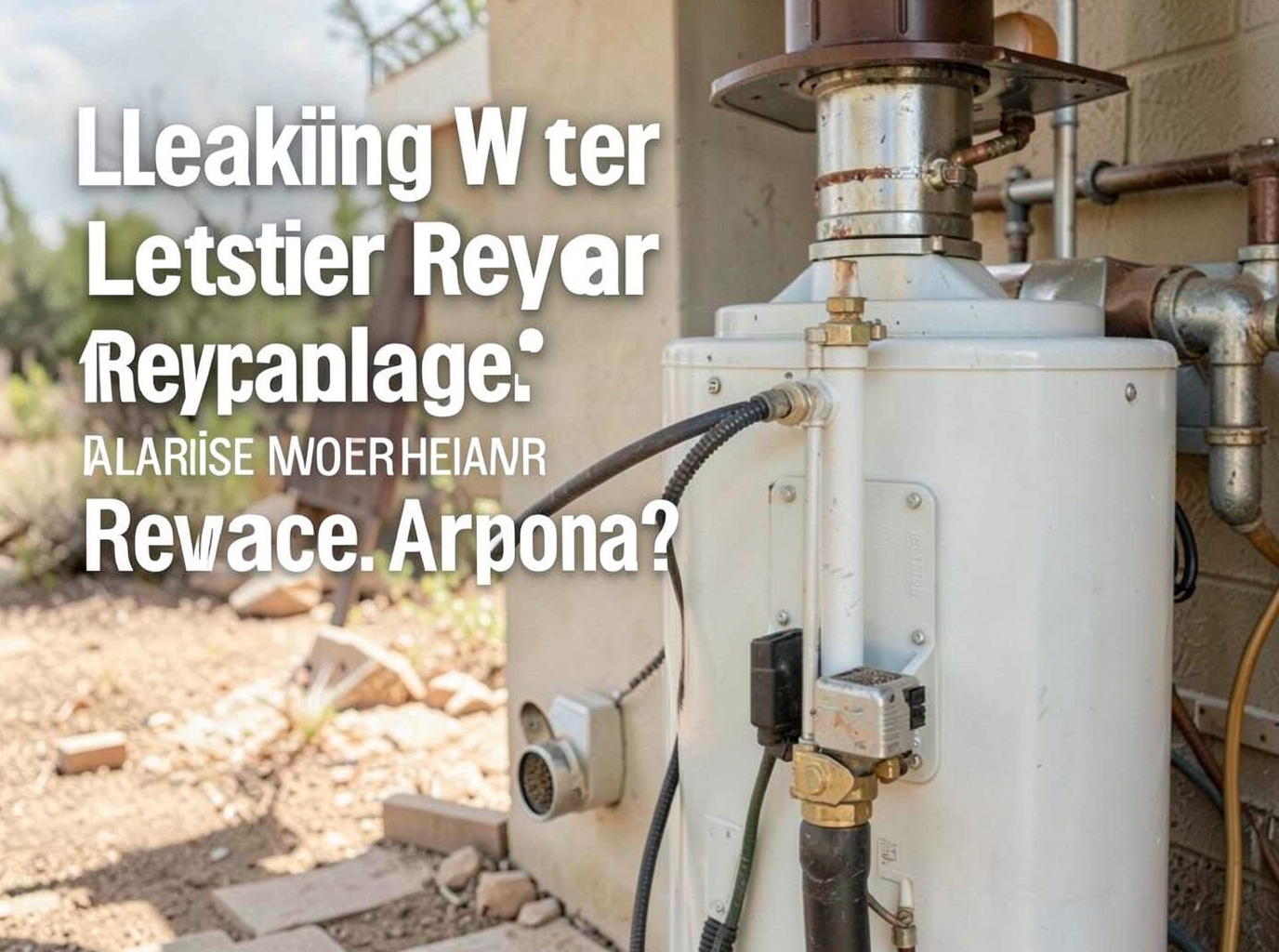
A leaking water heater in Bullhead City can often be repaired when the issue is limited to valves or connections, but replacement becomes necessary once the tank shows internal corrosion or the unit exceeds 8–12 years of service. Homeowners in neighborhoods such as Riviera and Fort Mohave face this choice regularly because older housing stock and regional water conditions accelerate wear on both gas and electric models.
Assessing the Leak Source
Start by locating whether water escapes from the top connections, the drain valve, or the tank seam itself. Leaks at the temperature-pressure relief valve or inlet/outlet fittings can frequently be fixed by tightening or replacing those parts without opening the tank. When moisture appears along the bottom seam or rust stains run down the sides, the tank lining has usually failed and repair is no longer viable. Technicians serving Bullhead City at 1123 Ramar Rd routinely inspect the anode rod condition during these calls because a depleted rod allows rapid corrosion in Arizona groundwater. Homeowners who notice puddling near the unit should shut off power or gas and the cold-water supply before calling for an on-site evaluation.
Factors That Influence Repair or Replacement
Age, leak location, and overall efficiency determine the practical choice. Units older than 10 years in Mohave Valley homes rarely justify repair because new leaks tend to appear within months. Tank size also matters: a 40-gallon or 50-gallon model in a single-story home may be repaired if the leak is external, while larger 80-gallon units in two-story properties often warrant replacement to avoid future water damage. Energy costs rise once sediment accumulates, so technicians compare the expense of flushing versus installing a new unit with better insulation. Leaking water heater repair addresses fitting issues quickly, yet many property owners in Sunridge Estates ultimately choose water heater replacement & installation after the inspection reveals tank failure.
Local Water Conditions in Bullhead City
Hard water common throughout the Arizona side of the Colorado River leaves mineral scale inside tanks and on heating elements. This buildup creates hot spots that speed tank corrosion and can turn a small leak into a full replacement job within a season. Homes in Fox Creek and Desert Foothills Estates often see accelerated scale because of longer pipe runs that allow more mineral deposition. How hard water and mineral scale can affect water heaters explains the chemistry in detail and why annual flushing extends service life. Property managers overseeing rentals in Palo Verde Meadows schedule these flushings to keep units operating past the average 10-year mark.
When Replacement Is the Clear Choice
Visible rust on the exterior, repeated leaks after previous repairs, or insufficient hot water supply all point toward replacement. In Laughlin Ranch and Arroyo Vista Estates, many homes built in the 1990s still use original tanks that now leak at the seams during temperature swings. Switching to a high-efficiency model reduces monthly energy use and provides better recovery rates for larger households. Tank vs tankless water heaters for Bullhead City homes outlines the space and venting considerations that apply to local construction. Replacement also lets owners upgrade from electric to gas or add a tankless unit where the existing gas line can support it.
Practical Next Steps for Homeowners
Document the leak with photos and note the unit’s age and model before contacting a technician. Keep the area clear so the inspection can proceed without delay. For properties in Mohave Valley or nearby Fort Mohave, scheduling service during milder months avoids working around peak summer heat. Consistent maintenance such as yearly flushing prevents many leaks from developing in the first place and helps decide between repair and replacement before an emergency arises.